
Photo: CNOSF.
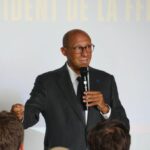
« Sport is an investment in the future. "The CNOSF keeps repeating: in a delicate context for public finances, sport must not be neglected. The 2027 budget, however, provides for a decrease in resources of 0,6% that holds the top spot. " At a time when every euro of public money counts, Investing in sports today also means avoiding paying for it tomorrow. — and often much more expensive — the consequences of a sedentary lifestyle, isolation, or dropping out. Economic studies have documented this: 1 euro invested in sport can generate up to 13 euros in savings for the community " recalls President Amélie Oudéa-Castéra.
In a press release, the CNOSF highlights several points of concern: the terms and conditions of the Sport Pass, the number of potential beneficiaries of which this year would be lower approximately 35 to 40% compared to 2024 »; the gradual erosion of technical sports advisors (24 positions eliminated this year, 12 more in 2027); the deficiencies in sports equipment ; or the decrease in TV rights for professional sport, which are subject to a tax intended to finance French sport.
The CNOSF promises to to remain fully engaged throughout the parliamentary debates "in order to preserve the interests of French sport:" After three consecutive years of budget cutswhich today accounts for barely more than 0,10% of the state budget, Sport must finally be viewed as a strategic investment in support of health, education, integration, and social cohesion, helping to unite the French people, reflecting France's image in the world, but also to prevent future expenses. At a time of decision-making, the CNOSF reminds us that the country is currently bearing the burden of addressing the consequences of physical inactivity to the tune of 160 billion euros per year on its social accounts and that sedentary lifestyles cost it an additional 17 billion euros each year. »