The opening ceremony was centered on the San Siro stadium, the legendary home of Milanese football. The closing ceremony, scheduled for Sunday, will take place in a slightly different venue, not exactly associated with sport: the Verona Arena. A majestic setting to conclude these Games and pay tribute to Italy's rich heritage, linking the glorious past to the present and future of the Olympic Movement.
Twenty million euros invested
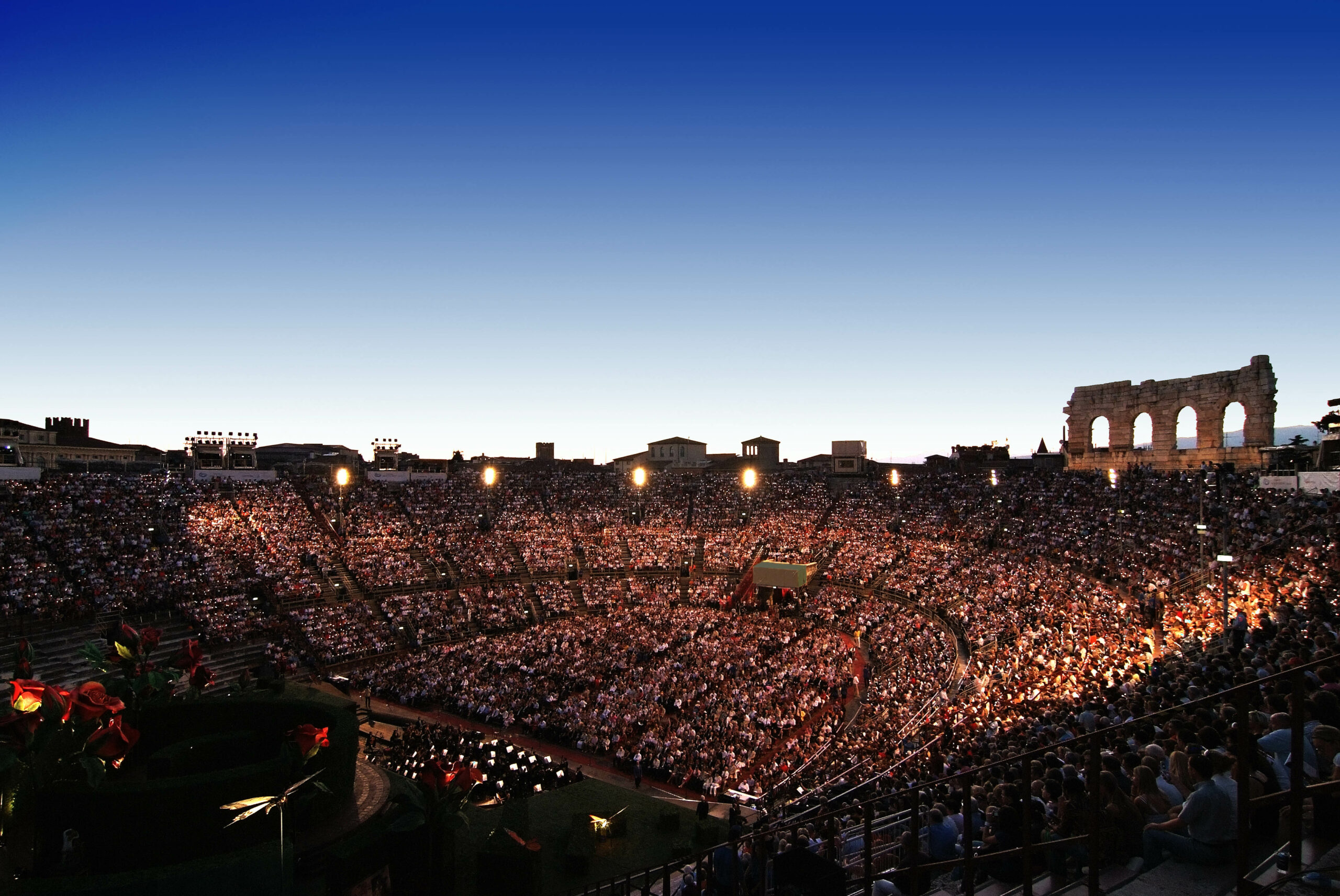
The idea of holding the ceremony in this arena was already included in the bid dossier, reflecting the organizers' vision for the site. For the first time in the history of the Games, an Olympic ceremony will take place within a UNESCO World Heritage site. And what could be more Italian than one of the most powerful symbols of the Roman Empire? This historically significant venue, built 2.000 years ago, is the third largest preserved amphitheater in Europe.
« The Arena is unique in the world, says Cecilia Gasdia, general director of the Verona Arena Opera Festival, Francs Jeux. It's a thousand-year-old monument, built by the ancient Romans specifically to host the games of their time. At the same time, it's an extraordinarily vibrant and contemporary venue: every summer, it transforms into the world's largest open-air opera house, welcoming over 10.000 spectators each evening. This unique connection between past and present, between the monument's sacred character and the energy of live performance, has made the Arena an internationally recognized symbol. Knowing that opera, music, and our theater will be part of the Olympic ceremonies has been a dream come true. We couldn't be happier. »
Twenty million euros have been invested to modernize the site, particularly in terms of accessibility, with the installation of access ramps, walkways, and an elevator to facilitate access for people with reduced mobility. Pedestrian and cycle paths have also been created around it to improve access from the train station. A tangible legacy and a turning point, without a doubt "For the future of the site," according to Cecilia Gasdia. The Games represent a tremendous opportunity for both the Arena and the city of Verona. ", She assures.
An "unparalleled" media reach
Verona's most visited monument doesn't just attract tourists: every summer, it transforms into a unique stage where singers, musicians, and dancers perform outdoors for three months. The Opera Festival drew over 400.000 spectators in 2025. A remarkable showcase, as 61% of them came from abroad. 130 nationalities graced the stands. The top performers? Germany, the United Kingdom, Austria, Switzerland, the United States, and France. Further proof of the event's renown: attendance from Korea is steadily increasing, and the first visitors from Ghana and Zimbabwe attended performances last year. This is massive publicity for the opera, but also for Verona and its Arena, which are thus brought into the spotlight. This includes young people, since while the average age of the audience is 49,9 years, videos posted on TikTok, popular with younger generations, have reached five million viewers.
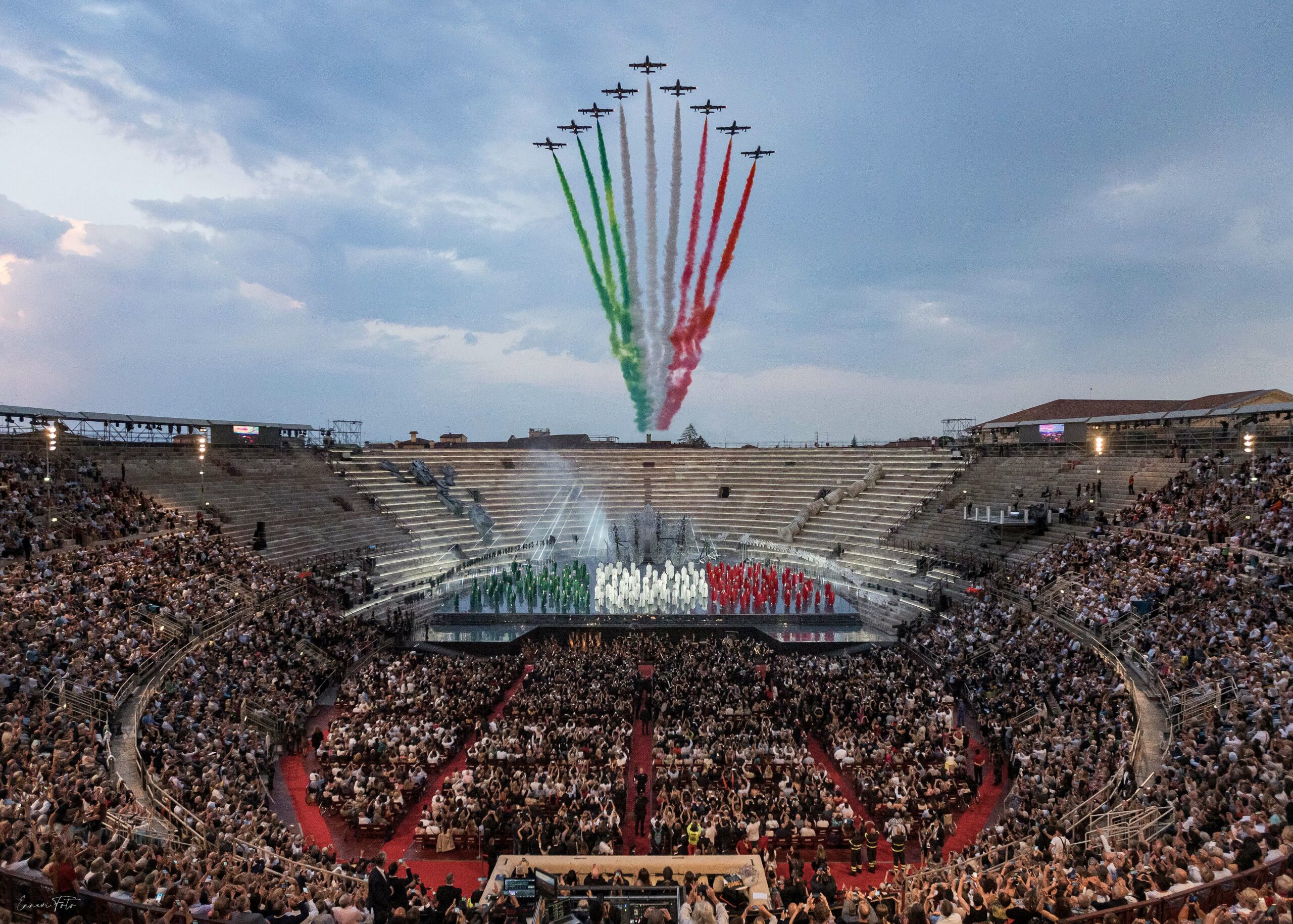
The Games will offer the Arenas additional exposure to millions of viewers worldwide. LThe impact in terms of visibility is extraordinary: the Arena Foundation has always been involved in promotional tours and international collaborations, but the media reach of the Olympic and Paralympic Games is unique and incomparable. Cecilia Gasdia emphasizes. On the one hand, they will offer unprecedented global visibility, reinforcing Verona's image as a city of culture, music, and major international events. On the other hand, they will contribute to generating positive spin-offs for tourism, the local economy, and the cultural sector, consolidating the Arena's role as a landmark not only artistically, but also socially and symbolically. "All that's left is to enjoy the show."