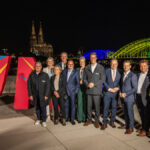

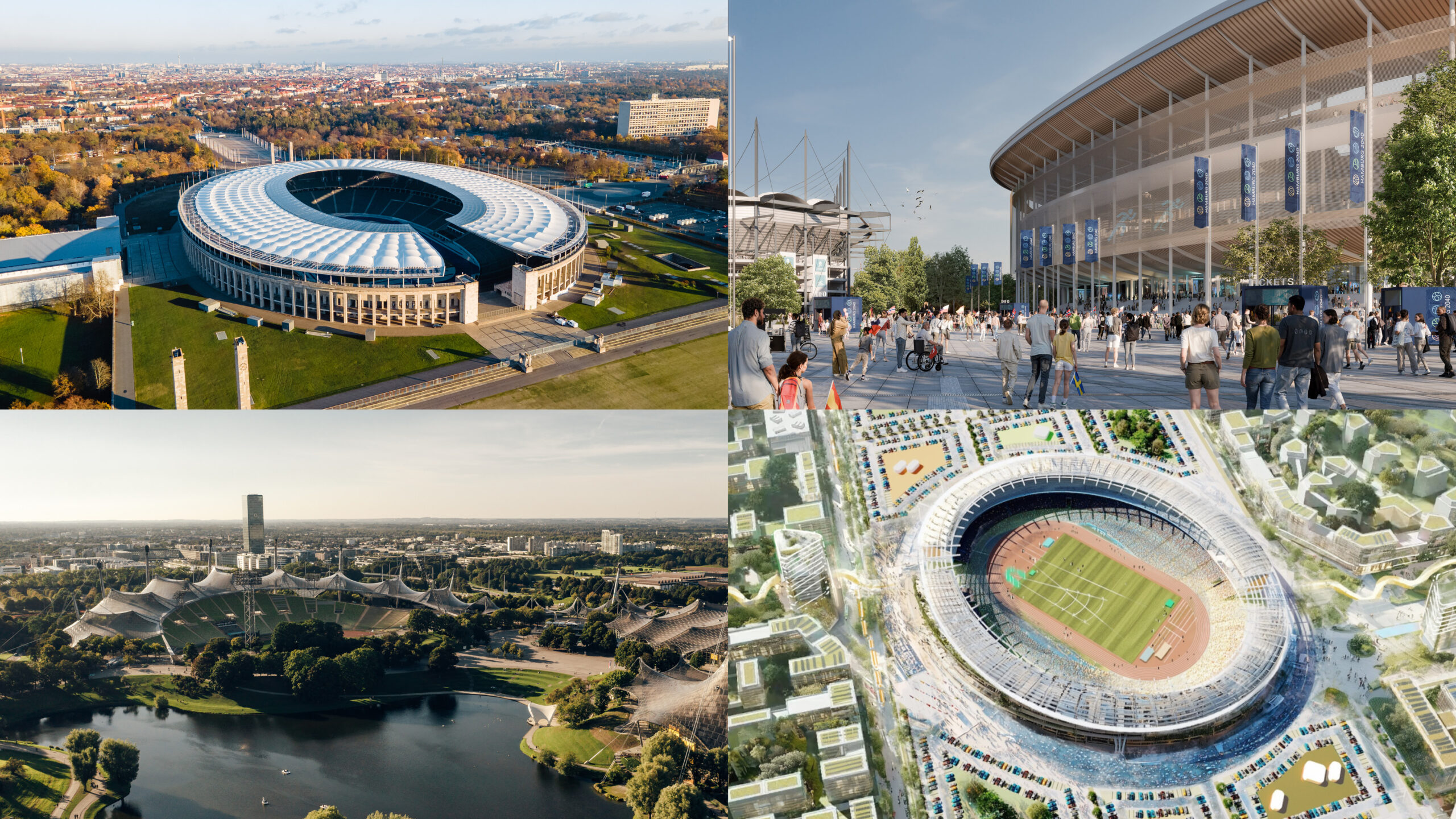
The first step has been taken. On Friday, September 26, the executive committee of the German Olympic and Sports Confederation (DOSB) gave the green light to the projects submitted by Berlin, Hamburg, Munich, and the Rhine-Ruhr region for the organization of the Olympic and Paralympic Games. A thorough evaluation has been conducted in recent months to ensure that the applications could meet the necessary requirements. The four-way race can now continue, one year before Germany's choice of candidate.
Competition venues, travel times and hotel capacity
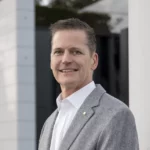
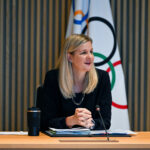
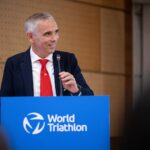
Thomas Weikert, President of DOSB, welcomed the " remarkable work » accomplished by the four candidates in order to develop their projects, which have already all « the potential to compete internationally " Anna-Maria Maetz, a member of the Olympic bid office, provided a more in-depth analysis of this first phase on the DOSB website.
« We primarily examined the feasibility of the Games, as envisioned in the concept. This means: Are the competitions on the current Olympic and Paralympic Games program really feasible? Are the travel times suitable for the athletes? Is there enough space for the Olympic and Paralympic Villages and sufficient hotel capacity? " she lists.
The NOC has established a list of criteria: closely aligned with the specifications of the IOC and major international federations " to judge the four projects. For example, it requires that at least 90% of all competition venues be existing or temporary. National sports federations were involved in evaluating the plans, and their comments were passed on to the project leaders of the four projects. This feedback is essential for further optimization., continues Anna-Maria Maetz. We are delighted to be able to count on the support of the federations throughout the process. »
A “strong” signal for the Olympic Agenda
The DOSB draws a first unanimous assessment of the vision developed by Berlin, Hamburg, Munich and the Rhine-Ruhr region. All four have in fact understood that " the primary objective is to create added value for the whole country ", says Anna-Maria Maetz. " Furthermore, these projects underline that in Germany, with the exception of one swimming stadium, we already have everything necessary for the Olympic and Paralympic Games. Of course, some facilities require renovation, but the fact that four projects are not undergoing new construction is remarkable and, in light of the IOC's Olympic Agenda 2020+5, sends a strong signal. »
This phase also allowed candidates to receive information on optimization potential. Reducing the number of temporary sports facilities has significantly reduced the costs of implementing a project, illustrates Maetz. Other concepts are now much more compact and therefore more transparent than they were a few months ago. These are tangible successes of the first phase; in my opinion, we used this time wisely. »
The four candidates have until the end of May to refine their concepts for the Extraordinary Assembly scheduled for fall 2026. Another major step is planned for the coming weeks: the vote of the inhabitants of Munich on the continuation of the Bavarian candidacy.