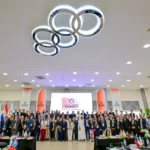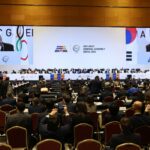

A victory for the IBA. A setback for World Boxing. And, by extension, for the IOC. Meeting once again in an extraordinary congress, to debate the same question over and over again, the Asian Boxing Confederation (ASBC) has chosen to remain in the camp of the oldest of the two international bodies of Olympic boxing. Against all odds, it remains loyal to the IBA.
As almost three months earlier, the decision was taken by vote. In Bangkok, Saturday, November 23, 23 national federations members of the ASBC voted in favor of remaining within the IBA. In the opposing camp, 10 voted for joining World Boxing. One country preferred to abstain.
At the end of August, the ASBC had already met in an extraordinary congress to debate the same question: to remain in the IBA or to join World Boxing. It had been put to a vote. Result: 21 votes for the IBA, 14 for its rival, plus one invalid vote.
In three months, World Boxing has gained new member countries, greatly helped in its task by the pressure exerted by the IOC. It now has 55, including 15 Asian national federations "dissidents" from the ASBC.
But by a vote of 23 to 10, Asian boxing continues to align itself with the body chaired by Umar Kremlev. It resists threats from the IOC, which has asked all its national Olympic committees to exclude national boxing federations that remain in the IBA camp.
As soon as the result was announced, the IBA issued a statement declaring victory and welcoming the Asian decision. "The message is clear", summarizes the text. "Our partnership with the Asian continent has always been a strong and collaborative one, and the Asian national federations remain at the very heart of our global boxing family”, insists Chris Roberts, the IBA's secretary general and executive director.
The message is clear, then. The rest of the story, however, looks confusing. In Bangkok, on Saturday, November 23, the result of the vote was followed by the announcement of the resignation of the president of the ASBC, the Thai Pichai Chunhavajira, also Minister of Finance in his country, and of the secretary general, the Jordanian Ali Salameh. The two men expressed their intention to create a new Asian boxing confederation. A direct competitor of the ASBC, it will be launched under the aegis, and with the blessing, of World Boxing.
Still excluded from the Los Angeles 2028 Games, Olympic boxing seems more divided than ever. Despite the help of Lausanne, World Boxing is struggling to recruit enough members to hope to obtain recognition from the IOC in the coming months. The IBA, for its part, seemed doomed to a slow death, but it is resisting and responding blow for blow. Unlike its rival, it has the financial means to help and support not only its national federations, but also very directly their best boxers, thanks to an inexhaustible prize pool of bonuses for results in major championships.
The IBA is due to hold its annual congress in Dubai in early December, which will double as a World Boxing Forum, as it did last year. With Asia's recent decision, the event will be far from a swan song. But the future of boxing in the Olympic landscape still looks set to be under threat.