The IOC has been repeating it in every tone for months: there is no question of sacrificing “ the athletes' experience » next summer at the Tokyo Games. The intention is laudable. But for nearly half of future Olympians, a centerpiece of the Olympic experience will be missing.
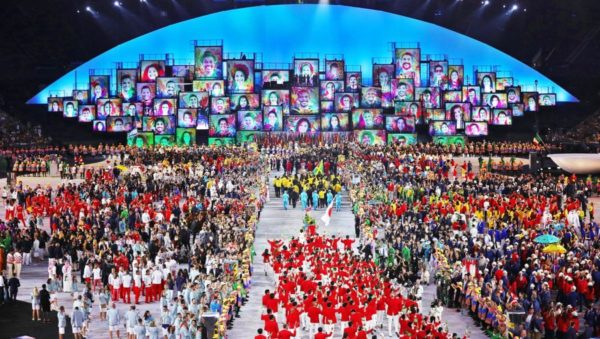
According to the Japanese daily Yomiuri, the IOC would have already done its accounts. And discovered, at the end of an equation posed with the Japanese organizers, that only 6.000 athletes will participate on Friday July 23, 2021 in the opening ceremony of the Tokyo Games, out of the 10.500 participants expected at the Olympic meeting. In question, the health measures prepared in Tokyo and Lausanne to fight against the spread of the coronavirus.
The IOC and the organizing committee have already announced: the athletes' stay in the Olympic village will be very reduced. Competitors will be allowed to take possession of their rooms only five days before entering the competition. They must then leave no later than two days after the end of their tests.
With such a health plan, the Olympic Village will never be full. It was built and fitted out to accommodate around 18.000 people, including athletes, their staff and officials. But the global pandemic has changed things. It now appears oversized.
By forcing delegations to enter their athletes in successive waves, the IOC mechanically reduces the size of the parade of Olympians at the opening ceremony. Representatives of the majority of sports from the second week of the Games will be absent. Athletics, in particular, could be excluded from an evening where it regularly provided its share of standard bearers.
The same causes producing identical effects, the closing ceremony also promises to be in reduced format. It will only concern athletes participating in the sports and disciplines of the second week, or even the end of the Games.
Of course, foreign delegations are not prohibited from authorizing their athletes to stay in Tokyo after returning the keys to their rooms in the village. But their hotel accommodation would then be the responsibility of their national Olympic committee, or even their sports federation, with the organizers of the Tokyo Games only providing room and board on the official website. In the current economic situation of the Olympic movement, such an expense seems difficult to assume for the vast majority of countries.
Since the decision to postpone, Japanese organizers have repeated many times that the opening ceremony could not ignore the health context. They even recently changed the team in charge of the evening, with the clear desire to give it another tone, more in tune with the world after.
But for almost one in two athletes, the parade of delegations will be experienced far from the action. From a distance. On the television.