Three years and a handful of months separate Rio from its first Games. In the Brazilian city, the presence of the event is still discreet. But the work is progressing. Without visible haste, or feeling of panic. “We are on time,” assure the organizers, with a smile that is intended to be reassuring. FrancsJeux had the opportunity to discover some of the most important projects of the system. A mouth-watering visit.
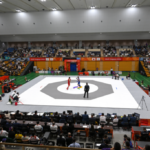
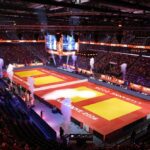
From near and far, the future Olympic Park looks like a huge wasteland. In 2016, it will host the aquatic center, the tennis stadium, the press centers (written and audiovisual), the velodrome, the gymnastics hall and the handball hall, plus the three multifunctional covered stadiums where basketball and judo will take place. , wrestling and taekwondo. To date, only one building is already standing, the HSBC Arena, built for the Pan American Games in 2007. This 18-seat complex, currently managed by the French company GL Events, will be used at the Games for the gymnastics competitions. (artistic, rhythmic and trampoline.)
For the rest, it's better to use your imagination. “We plan to finish the work at the start of summer 2015, to host the first pre-Olympic events,” explains one of the site managers to the Organizing Committee. For now, we are sticking to our schedule. » At the time of the Games, an extension of the metro line (six new stations) will allow the public to go to the Olympic Park from the center of Rio. Currently, the bus ride from Copacabana Beach takes approximately 75 minutes.
In terms of the location of the Park, there is no need to look for traces of the athletics stadium. The Brazilians have broken with tradition by using an already existing venue for the discipline, the Joao Havelange stadium, currently rented year-round to the Botafogo football club. Located about twenty minutes north of the Olympic Park, it can accommodate 60 spectators. Another surprise: the opening and closing ceremonies will not take place in the athletics stadium, but in the legendary setting of Maracana (000 seats), also dedicated to football finals.
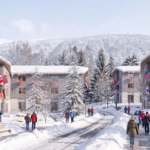
Another project: the athletes’ village. The activity is more visible there, and the walls of the first buildings are already higher. Ultimately, it will be made up of 31 buildings of 17 floors, divided into 7 residences. “We will be able to deliver the first in August 2014,” says Mario Cilenti, the project director, an Argentinian who has lived in Brazil since the Pan American Games in 2007. Capacity of the village: 17 people. Mario Celenti promises: “The athletes will live there Brazilian style, surrounded by nature, with large bay windows letting light into the apartments (900, 2 or 3 bedrooms). They can choose between the view of the hills or the lagoon. »
Extremely rare fact: the Rio Games will only have one athletes' village, with none of the Olympic sports being planned outside the city, with the exception of football. The longest distance, from one entrance to the other, will not exceed 800 m. Finally, another rarity, the village will house a swimming pool and training sites for eight of the program's disciplines.
Sites and infrastructures in images: